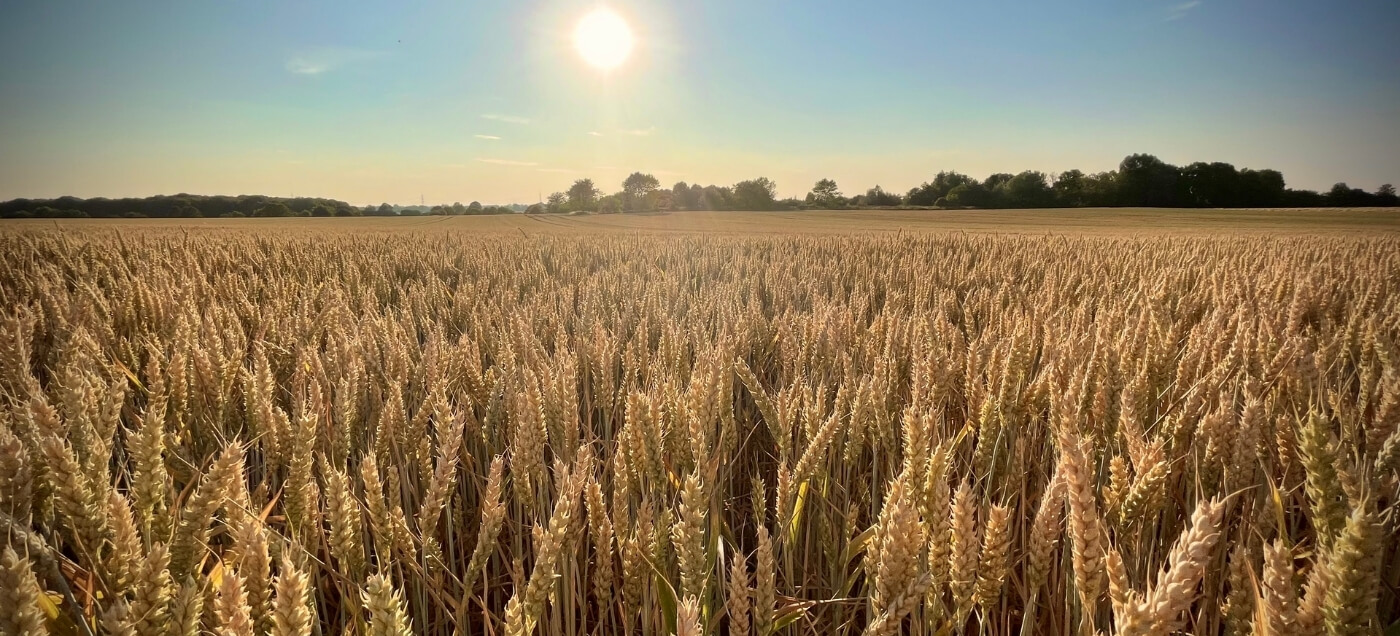
SELL BARLEY IN SASKATCHEWAN, ALBERTA & MANITOBA
If you’re looking to sell barley in Saskatchewan, Alberta, or Manitoba, Bennett’s Crop Procurement Ltd. (BNCP) purchases barley directly from producers with on-farm pickup coordinated by our logistics team and payment issued at loading (method confirmed in advance). Whether you’re registering pre-harvest or you have barley ready to load now, our process is built for clear timing, simple communication, and written confirmations before dispatch.
BARLEY PICKUP COVERAGE (SASKATCHEWAN, ALBERTA & MANITOBA CITIES)
We coordinate farm-gate barley pickup planning across Saskatchewan, Alberta, and Manitoba, including areas around: Saskatchewan: Saskatoon, Regina, Moose Jaw, Swift Current, Yorkton, Prince Albert, North Battleford, Kindersley, Humboldt, Melfort, Weyburn, Estevan (and surrounding Rural Municipalities). Alberta: Edmonton, Red Deer, Calgary, Lethbridge, Medicine Hat, Brooks, Taber, Grande Prairie (and surrounding counties/municipalities). Manitoba: Winnipeg, Brandon, Portage la Prairie, Steinbach, Winkler, Morden, Dauphin, Neepawa, Selkirk, Carman (and surrounding municipalities). If you’re outside these hubs, still submit your postal code—pickup feasibility depends on timing and logistics.
Direct Farm Purchasing for Our Partner Companies

Payment at Loading (Method Confirmed in Advance)
BNCP issues payment at the time of loading using the method confirmed before dispatch (EFT, wire, certified cheque where applicable). We confirm key terms and documentation in writing before pickup so you know what to expect.
On-Farm Pickup (We Coordinate Trucking)
We coordinate trucking and schedule a pickup window around your loading availability. To help dispatch run smoothly, we typically confirm: Postal code and access notes, Preferred pickup window, Loading capability
WHAT WE NEED TO QUOTE BARLEY
Barley end-use (Malting / Feed / Food)
Row type (Two-row / Six-row, if known)
Covered vs Hulless (if known)
Variety name (especially for malting programs)
Estimated volume (a range is fine)
Postal code (SK / AB / MB)
Ready-to-load window (or expected harvest window)
Basic quality notes (moisture, cleanliness/dockage, general condition)
Any test results available (protein, germination, plumpness/screenings, DON where applicable)
Whether cleaning/sorting is available (if applicable)
THE MAIN TYPES OF BARLEY PRODUCERS GROW (AND HOW THEY MARKET)
Barley isn’t one single market. In Canada, barley is commonly handled in three end-use lanes: Malting, Food, and General Purpose (primarily feed). That end-use choice impacts what information matters most when we quote your lot.
1) Malting barley (program-driven)
Producers often seed malting varieties, but malting selection is program-based and depends on how the lot performs against buyer specifications.
For a malting offer, the variety matters first, then quality indicators like germination, protein range, and kernel plumpness.
Condition issues (pre-harvest sprout, heat damage/odour, staining, disease/mycotoxin concerns) can move a lot out of malt eligibility.
2) General purpose (feed) barley
Feed barley values soundness and consistency. Cleanliness/dockage, damage, heated/odour risk, and foreign material matter because they affect handling and end-user acceptance.
If you’re selling feed, a clear read on moisture and general condition helps us quote quickly and schedule a smooth pickup.
3) Food barley (often hulless “naked” programs)
Food programs commonly focus on uniformity and clean appearance. Hulless barley is a distinct type where the hull is loosely attached and typically comes off at harvest—buyers watch factors like adhered hulls and overall lot consistency.
Two-row vs six-row / covered vs hulless
Barley may be two-row or six-row and can be covered (hull attached) or hulless. If you know these details, it helps BNCP align your barley to the right demand lane faster—especially on malting and food programs.
PRE-HARVEST BARLEY REGISTRATION
Pre-harvest registration helps reduce last-minute harvest bottlenecks. Submit acres, timing, estimated volume, and target specs early—then update as the season progresses. This improves pickup planning and helps avoid unnecessary delays when you’re ready to load.
THE MAIN TYPES OF MUSTARD FARMERS GROW (AND HOW THEY TRADE)
In Western Canada, mustard is classed and traded primarily as Yellow, Brown, or Oriental mustard seed (the class is part of the grade name). In practice, these classes behave like different markets:
- Yellow mustard: often selected for milder flavour profiles and mainstream condiment demand. Clean colour and low admixture matter because buyers want a consistent end product.
- Brown mustard: commonly used for more pungent condiment profiles and specialty blends. Buyers typically watch condition and cleanliness closely.
- Oriental mustard: frequently tied to specific end-user programs where uniformity and documented specs are important.
When you request an offer, identifying the class (and whether it’s a mixed lot) is the fastest way to get an accurate bid and a clean dispatch plan.
WHAT TO EXPECT ON PICKUP DAY
Pickup window is scheduled in advance You provide safe access and loading availability We confirm paperwork and payment method before dispatch Load occurs within the scheduled window Payment is issued at loading (method confirmed in advance)
CAN I SELL BARLEY NEAR SASKATOON?
Yes. Submit your postal code, estimated volume, and timing to confirm on-farm pickup feasibility near Saskatoon and surrounding areas.
DO YOU COORDINATE BARLEY PICKUP NEAR REGINA OR MOOSE JAW?
Yes—when timing and logistics align. Send your postal code and preferred window and we’ll confirm feasibility.
CAN YOU PICK UP BARLEY NEAR SWIFT CURRENT OR YORKTON?
Often, yes. Share your location, volume, and ready-to-load window so we can plan dispatch.
DO YOU BUY BARLEY NEAR EDMONTON, RED DEER, OR CALGARY?
Yes. Submit your postal code and loading details to confirm pickup feasibility in Alberta.
DO YOU BUY BARLEY NEAR LETHBRIDGE, MEDICINE HAT, OR BROOKS?
Yes. These are common pickup areas in southern Alberta—timing, lane availability, and volume help finalize dispatch planning.
DO YOU BUY BARLEY NEAR WINNIPEG, BRANDON, OR PORTAGE LA PRAIRIE?
Yes. Share your postal code, volume, and ready-to-load window so we can plan dispatch in Manitoba.
DO I NEED A FIRM COMMITMENT TO REGISTER BARLEY PRE-HARVEST?
No. Pre-harvest registration is planning-first. You can update acres, timing, and volume as the season progresses.
WHEN DO I GET PAID FOR BARLEY?
Payment is issued at loading, using the method confirmed in advance.
WHAT MAKES A BARLEY QUOTE FASTER?
End-use (malting/feed/food), variety (if malting), postal code, volume, ready-to-load window, moisture/dockage notes, and any test results (protein/germination/plumpness/DON where applicable).
HOW BARLEY SPECIFICATIONS ARE CONFIRMED
WHAT WE NEED TO QUOTE BARLEY
We use clear, documented specifications so there are no surprises at pickup. Key barley quality factors such as moisture and cleanliness are discussed upfront, and final terms are confirmed in writing before dispatch. Where applicable, we reference Canadian grading standards as a baseline, while aligning shipment requirements to end-user specifications.
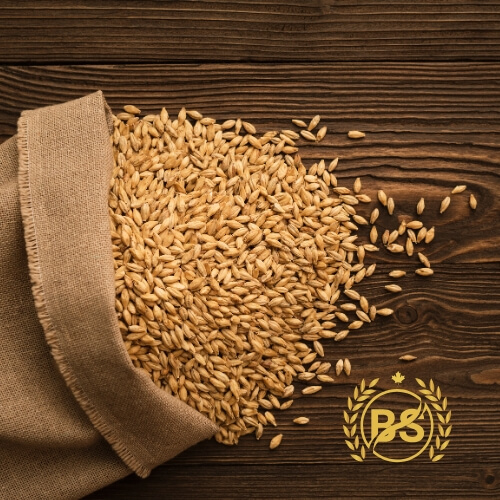
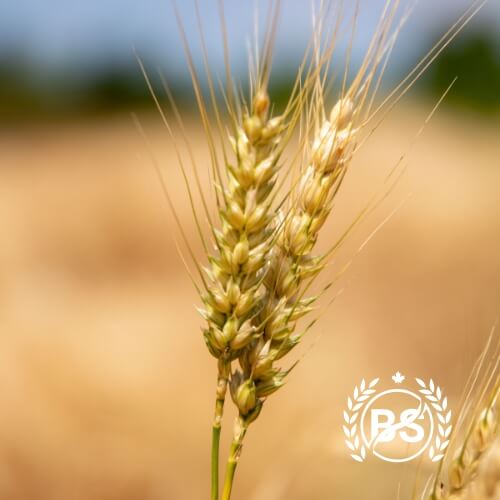
EXPORT-ALIGNED DEMAND FOR PRAIRIE BARLEY
BNCP coordinates farm-gate barley purchasing to serve end markets that value consistent specifications. This helps connect Prairie producers to broader demand with direct purchasing, clear written confirmations, and pickup logistics coordinated by our team—without unnecessary layers.